The music
Neapolitan songs, explained
What a Neapolitan song is, the stories of ’O sole mio and Funiculì, Funiculà, how tenors carried them abroad and what the mandolin adds.
Book the Nessun dorma concert ↗Quick answer
Neapolitan songs are songs in the Neapolitan language, usually for a solo male voice, and often love songs or serenades. ’O sole mio dates from 1898 and Funiculì, Funiculà from 1880. Tenors such as Enrico Caruso made them part of the concert repertoire, which is why a tenors’ concert in Florence sings them between the opera arias.
What a Neapolitan song is
The term covers traditional songs in the Neapolitan language, and Wikipedia is clear that every one of them is written and performed in that tongue. They are usually sung by a male solo voice, though female soloists also perform them, and common forms include the love song and the serenade. That is a different tradition from opera: the songs stand on their own, with no plot around them, which is why they fit so easily between arias.
The Piedigrotta contest
According to the same article, the 1830s turned Neapolitan song into an institution through a yearly competition for new songs, held with the Piedigrotta festival, which honours the Madonna of Piedigrotta, a church in Mergellina, Naples. The first winner was Te voglio bene assaje, traditionally credited to Gaetano Donizetti, though a 1984 article found no historical evidence for that. The festival was held regularly until it was abandoned in 1950, and later songs have become classics too.
’O sole mio
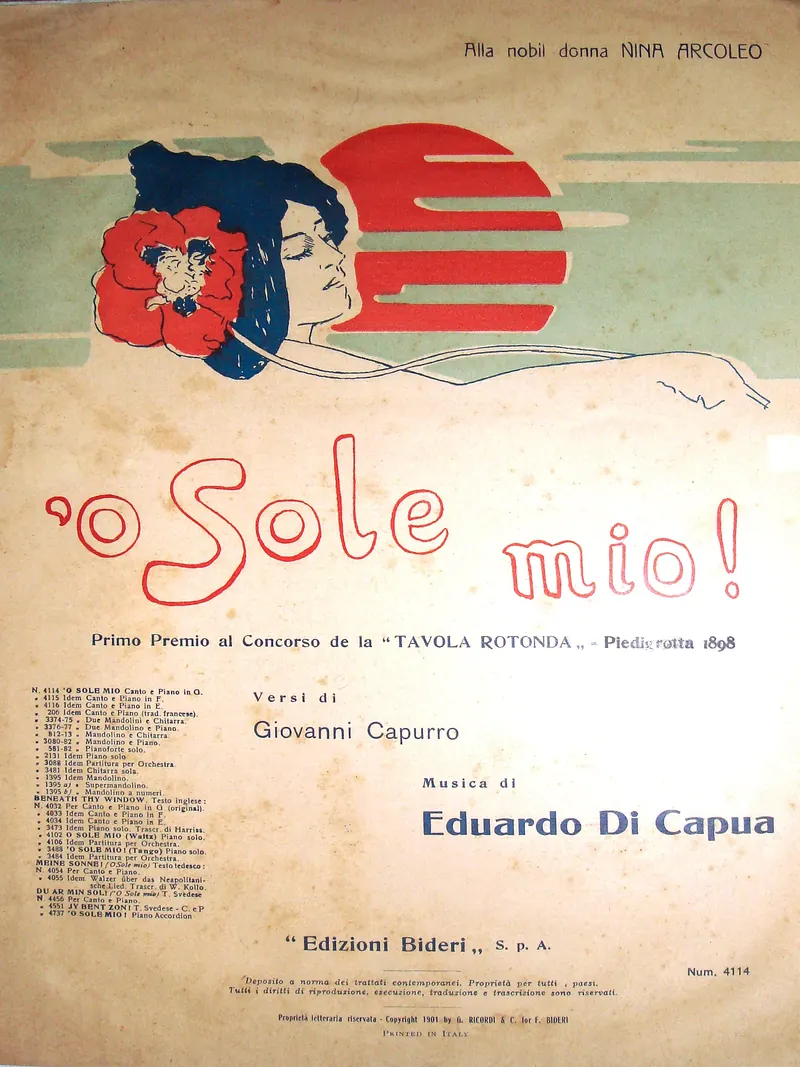
’O sole mio dates from 1898. Giovanni Capurro wrote the words and Eduardo di Capua is credited with the music, though Wikipedia adds that a 2002 court ruling in Turin upheld a claim by Alfredo Mazzucchi to co-author some of di Capua’s songs. The title means my sun. Luciano Pavarotti, Enrico Caruso, Beniamino Gigli, Andrea Bocelli and Mario Lanza are among the singers who have performed it, and Pavarotti won the 1980 Grammy for Best Classical Vocal Performance for his version. It is the song all three singers sang together at the 1990 Rome concert.
Funiculì, Funiculà
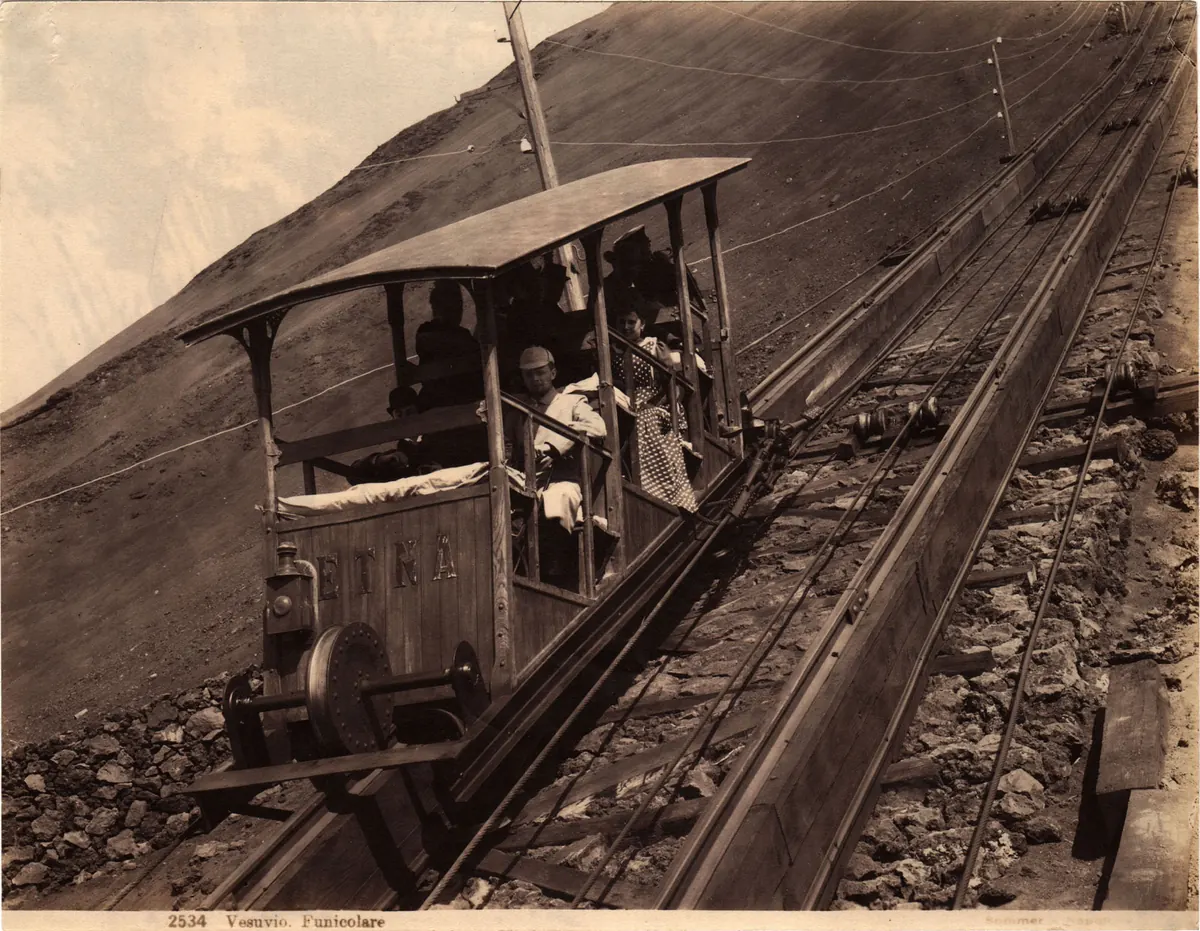
Luigi Denza wrote the tune in 1880 in Castellammare di Stabia, his home town, says Wikipedia, and the journalist Peppino Turco supplied the words, reportedly prompting the piece as a joke. The year marked the first funicular railway up Vesuvius, which the song celebrates. It was sung first at a hotel in Castellammare di Stabia and then entered the Piedigrotta festival. Turco’s Neapolitan verses have a young man likening his sweetheart to a volcano and asking her to ride with him to the crater’s rim.
How tenors carried the songs abroad
Wikipedia credits emigrants from Naples and southern Italy, from about 1880 to 1920, with taking the songs across the world. Early in the 1900s the tenor Enrico Caruso sang the music of his native city as encores in New York, at the Metropolitan Opera, and recorded many of the songs. Those recordings entered the standard repertoire of operatic tenors; the article names Beniamino Gigli, Franco Corelli, Mario Del Monaco, Giuseppe Di Stefano and Tito Schipa among the singers who followed him.
What the mandolin adds
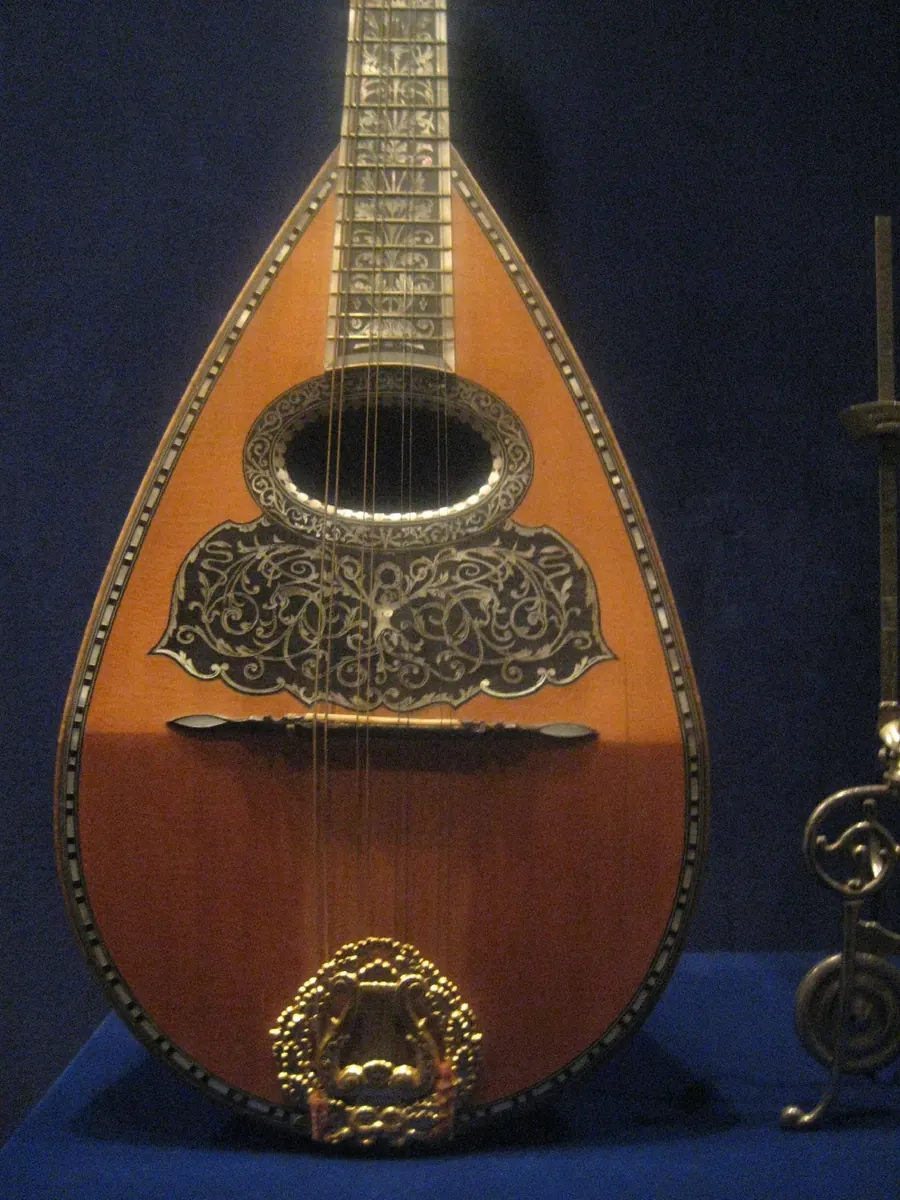
The booking page lists a chamber ensemble of piano, double bass and mandolin. Wikipedia describes the mandolin as a plucked instrument in the lute family, most commonly with four courses of doubled strings tuned like a violin. The Neapolitan mandolin has a round, bowl-shaped back, dating from the mid-18th century. Because its notes die away quickly, players use tremolo, rapid picking of one or more pairs of strings, to sustain them, which gives Neapolitan accompaniments their shimmer.
At the Florence concert
The booking page names ’O sole mio and Funiculì, Funiculà among the Neapolitan songs, alongside arias based on La traviata, Rigoletto and Tosca. Programmes change, and no song is promised for a given night. Wikipedia says all Neapolitan songs are sung in the Neapolitan language, so the words may sound unfamiliar even to someone who knows the opera arias. The tunes need no translation, and that is the point of including them.
Read next: Opera concert in Florence
Frequently asked questions
What language are Neapolitan songs in?
Neapolitan, not standard Italian. Wikipedia says all of them are written and performed in the Neapolitan language.
What does ’O sole mio mean?
Literally my sun or my sunshine. It was written in 1898.
What is Funiculì, Funiculà about?
It celebrates the first Vesuvius funicular, which opened in 1880, as a young man invites his sweetheart up to the crater.
Sources